


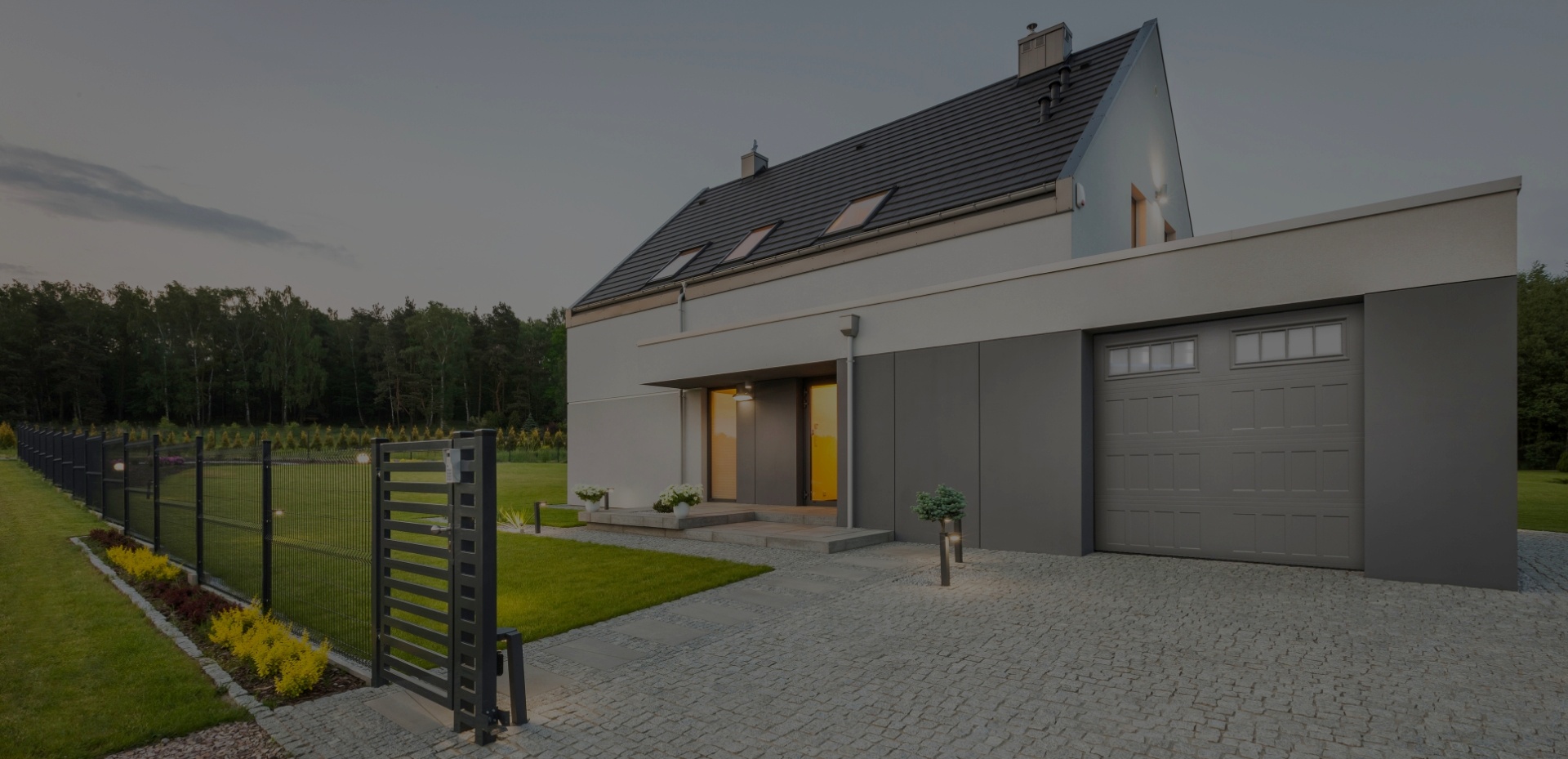












System doors, with their excellent year - round thermostatic performance, are gradually becoming the top choice for many families. So, how exactly do system doors achieve this? Behind it lies the careful selection of materials and advanced craftsmanship.
Polyurethane Filling: The Core of High - Efficiency Insulation
The insulation layer design of system doors is crucial for achieving year - round thermostatic comfort. Currently, polyurethane filling materials are widely used in system doors. Polyurethane is a foam material with a closed - cell structure and an extremely low thermal conductivity. This enables it to effectively block the transfer of heat. Compared with traditional filling materials such as honeycomb paper or rock wool, polyurethane has superior insulation performance. During the sweltering summer, system doors filled with polyurethane can prevent the outdoor high temperature from entering the room, keeping the interior cool. In the cold winter, it can prevent the loss of indoor heat, maintaining a warm home environment.
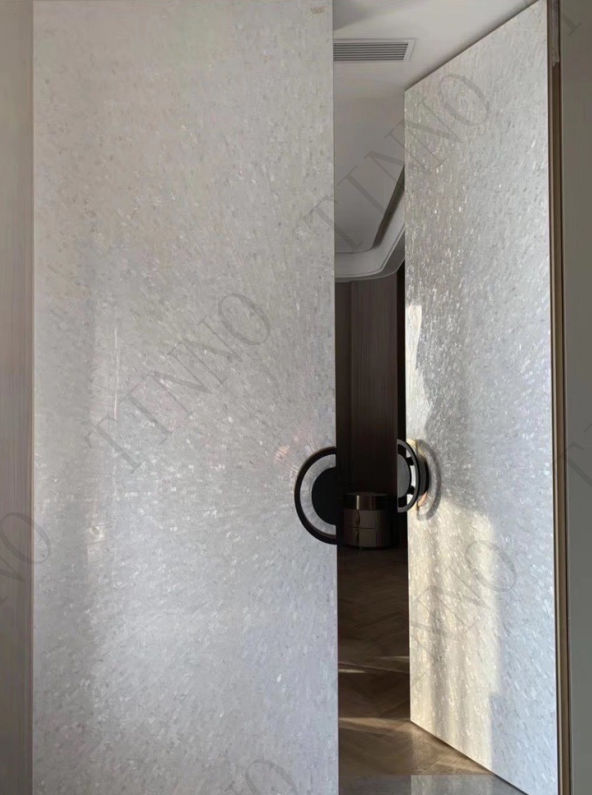
At the micro level, the closed - cell structure of polyurethane materials is like countless tiny insulation airbags. They are closely arranged to form a powerful insulation barrier. These airbags can not only prevent air convection and reduce heat transfer but also effectively reduce noise transmission, creating a quiet and comfortable home environment for users.
Bridge - Breaking Technology: The Bridge that Blocks Heat Conduction
In addition to polyurethane filling, system doors also employ bridge - breaking technology. Bridge - breaking technology separates the inner and outer aluminum profiles by inserting insulation strips into the aluminum alloy profiles, thus blocking the heat conduction path. This design is like building a “bridge - break” between the indoor and outdoor spaces, effectively reducing the heat conduction efficiency.
Take the aluminum - alloy bridge - broken system door as an example. The insulation strips are usually made of PA66 nylon material. This material has good insulation performance and mechanical strength. It can ensure the structural stability of the system door while minimizing heat transfer. Meanwhile, the sealing performance of aluminum - alloy bridge - broken system doors is excellent. Through the design of multiple sealing rubber strips, the insulation, soundproofing, and waterproof performance of the door are further enhanced.
Energy - Saving Principles and the Trend of Eco - Friendly Homes
The year - round thermostatic performance of system doors not only provides users with a comfortable living experience but also conforms to the trend of eco - friendly homes. In terms of energy consumption, system doors reduce the frequency of using air conditioners and heaters by minimizing the heat exchange between indoors and outdoors, thus achieving energy conservation and emission reduction. Statistics show that the annual energy consumption of households using system doors can be reduced by 10% - 30%. This is of great significance for alleviating the energy crisis and reducing environmental pollution.