













I. Analysis of the Current Situation of Air Conditioning Energy Consumption
With the improvement of living standards, air conditioners have become an indispensable device in modern buildings. Whether in the hot summer or the cold winter, people rely on air conditioners to adjust the indoor temperature and create a comfortable environment. However, air conditioners consume a large amount of electricity during operation. According to statistics, in some commercial buildings and residences, air conditioning energy consumption even accounts for 40% - 60% of the total energy consumption. This not only brings high electricity bills to users but also exerts great pressure on energy supply and environmental protection. Therefore, reducing air conditioning energy consumption has become a key link in achieving building energy conservation.
III. The Role of Sealing Design in Reducing Air Conditioning Energy Consumption
II. The Principle of Sealing Design of System Doors
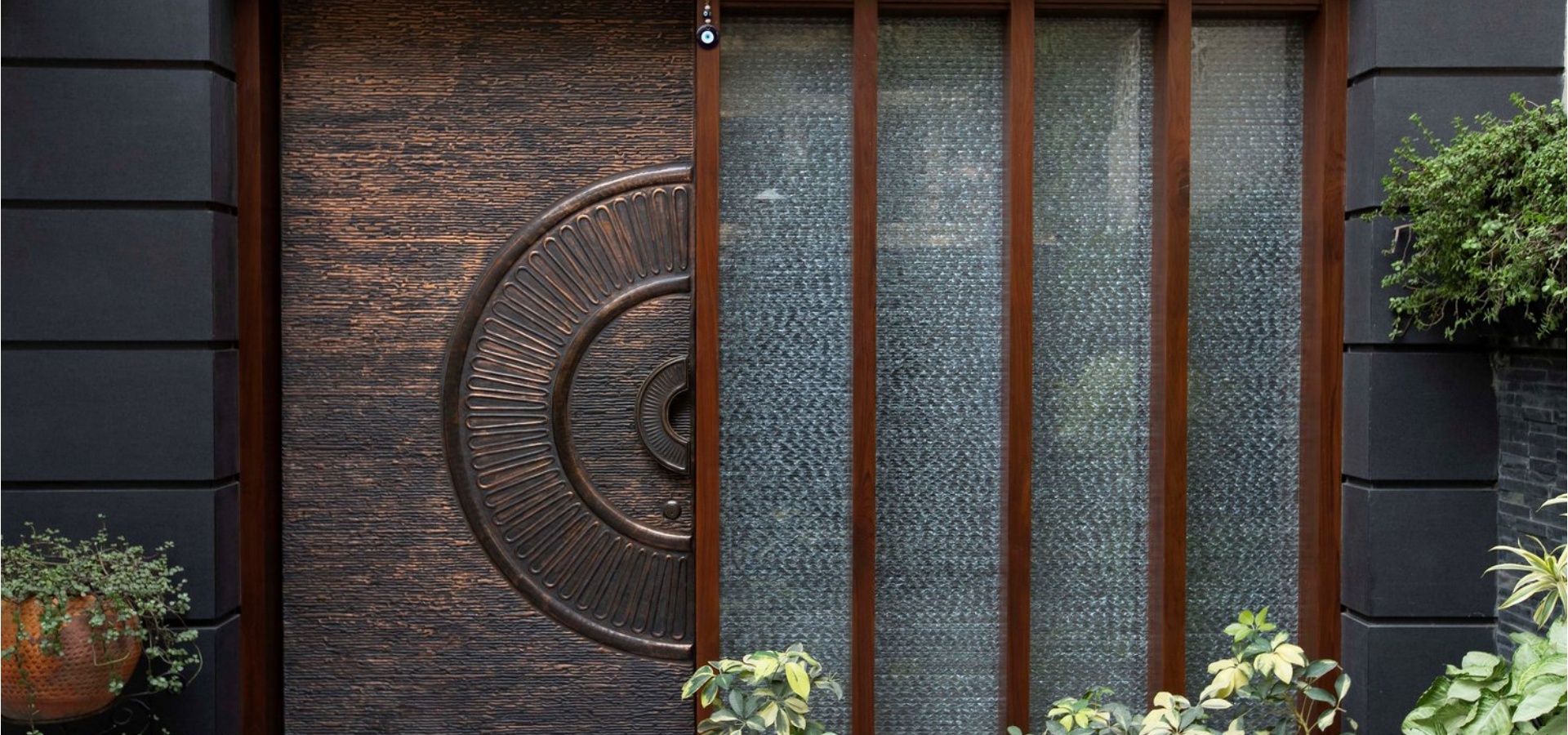
The sealing design of system doors is the core of their energy - saving realization. It mainly achieves a good sealing effect through the following aspects. First of all, system doors use special sealing rubber strips. These rubber strips are usually made of high - quality rubber or silicone materials, which have good elasticity and weather resistance. When the door is closed, the rubber strips can closely fit the door frame, forming a tight sealing line of defense to effectively prevent the circulation of indoor and outdoor air. Secondly, system doors also make great efforts in the design of the door frame and door leaf. A precise matching process is adopted between the door frame and the door leaf to ensure that the gaps are uniform and extremely small. At the same time, some system doors will also set up multiple sealing structures at the edges of the door frame and door leaf to further enhance the sealing effect. For example, some system doors adopt a stepped sealing design, which makes the air need to pass through multiple tortuous paths when entering the room, greatly increasing the resistance to air penetration.
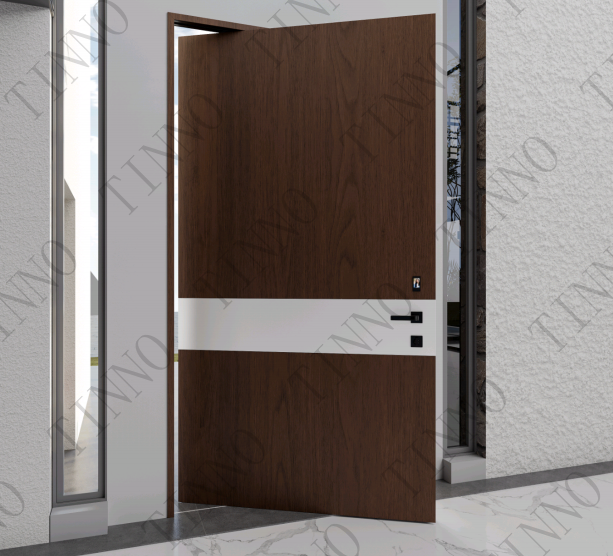
A good sealing design can significantly reduce air conditioning energy consumption, and its principle is mainly reflected in reducing air penetration and heat conduction. When the sealing performance of the system door is good, the amount of air penetration between indoor and outdoor will be greatly reduced. In summer, the hot outdoor air is difficult to enter the room, and the cold indoor air is not easy to leak out, so that the air conditioner can more effectively maintain the indoor low - temperature environment, reducing the running time and energy consumption of the air conditioner. Similarly, in winter, the cold outdoor air is blocked outside, and the warm indoor air is maintained, so the air conditioner does not need to heat frequently, which also reduces energy consumption.
In addition, the sealing design can also reduce heat conduction. Heat will be transferred from the side with a high temperature to the side with a low temperature through the door body, and the sealing structure of the system door can prevent this heat conduction to a certain extent. High - quality sealing rubber strips and multiple sealing structures can form an insulating layer, reducing the heat transfer coefficient of the door body and further improving the thermal insulation performance of the door. According to relevant test data, compared with ordinary doors, system doors with good sealing design can reduce air conditioning energy consumption by 15% - 30%, and the energy - saving effect is very significant.
IV. Practical Application Cases of System Doors
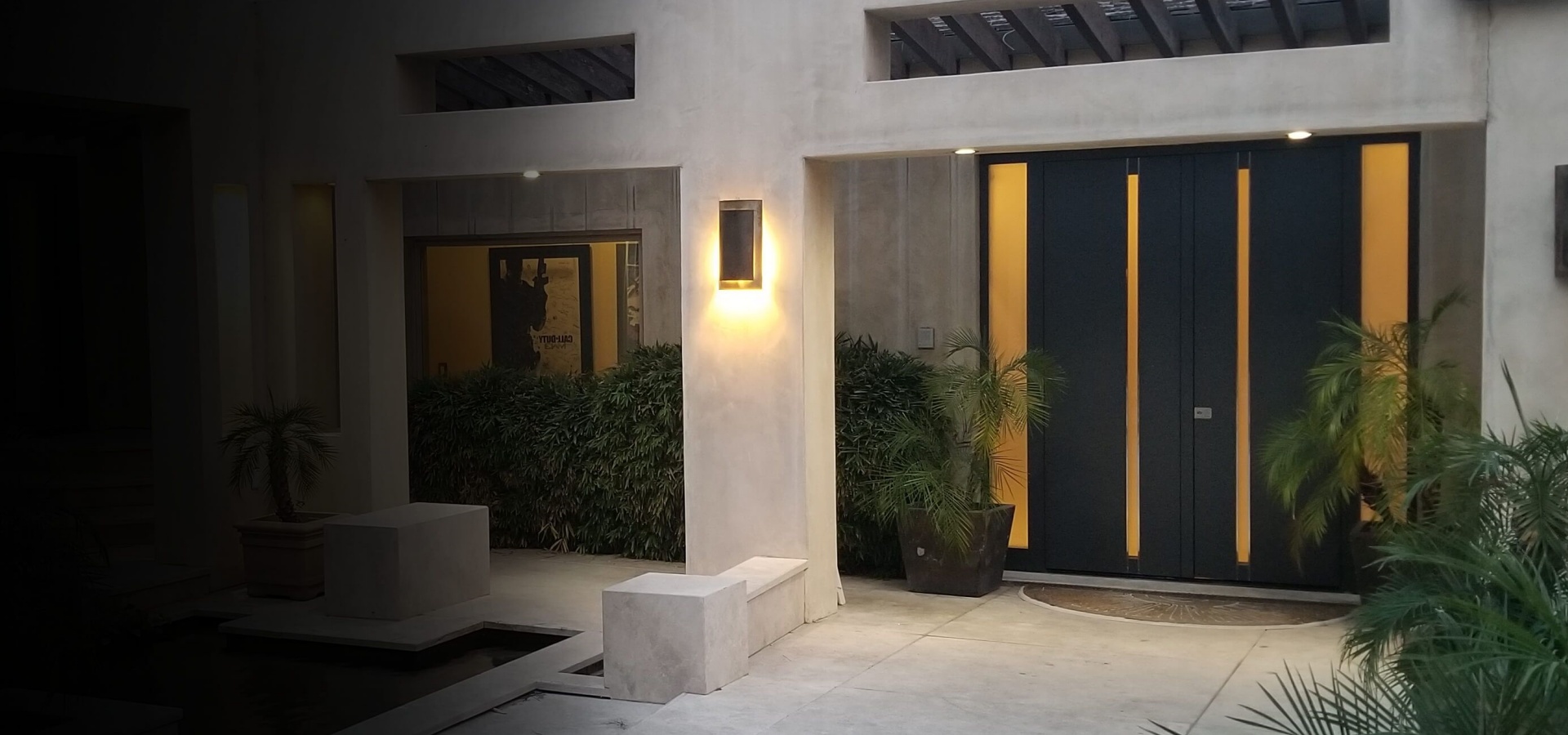
Many buildings have achieved remarkable energy - saving effects after adopting system doors. For example, when a commercial office building carried out energy - saving renovations, all the original ordinary doors were replaced with system doors. After one year of operation monitoring, it was found that the air conditioning energy consumption of the office building decreased by 20% year - on - year, and the annual electricity cost savings were as high as hundreds of thousands of yuan. Another example is that some high - end residential communities selected system doors during the construction process, which not only improved the energy - saving performance of the residences but also enhanced the living comfort. Residents reported that after installing system doors, the indoor temperature became more stable, the noise of the air conditioner was significantly reduced, and the quality of life was greatly improved.
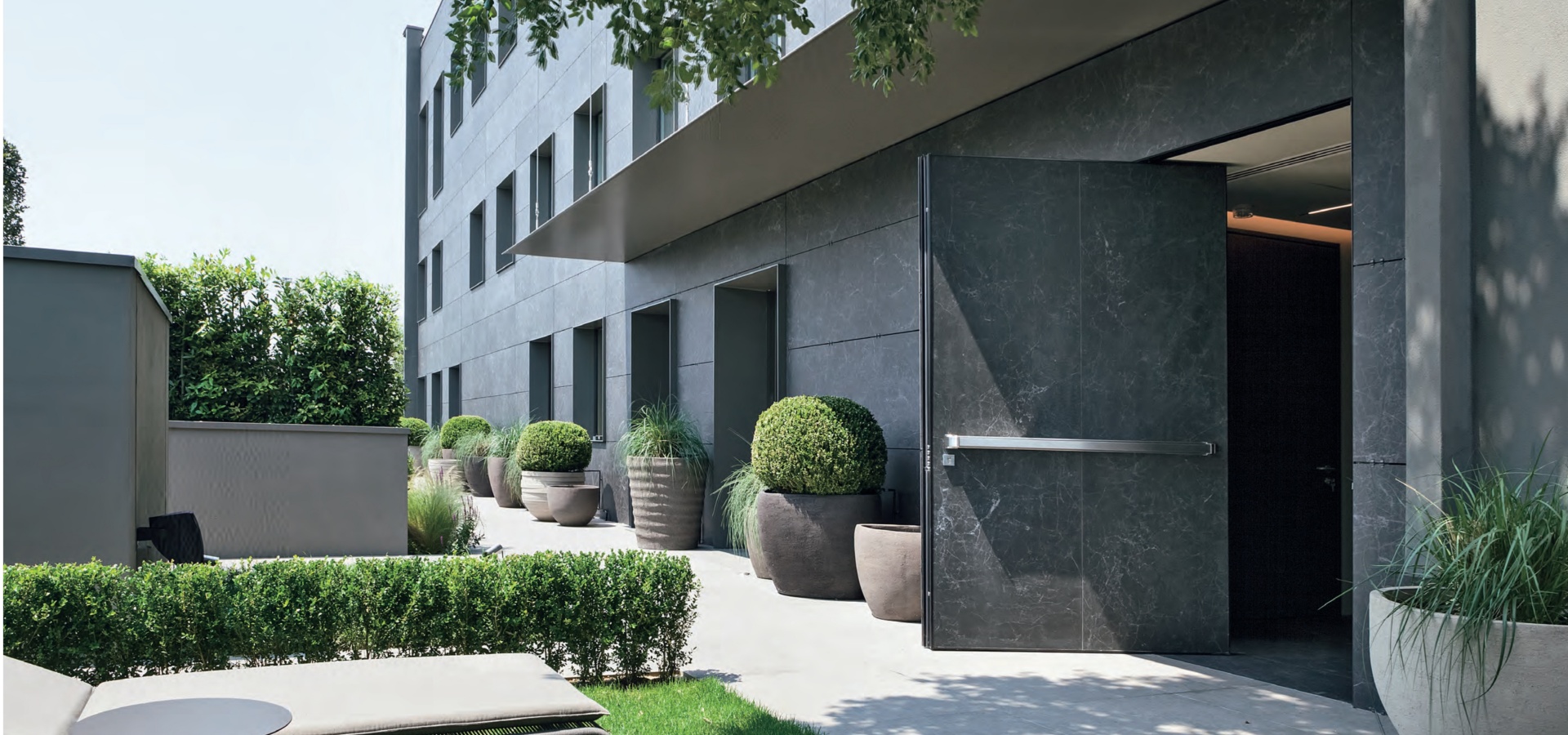
System doors provide an effective solution for reducing air conditioning energy consumption through their excellent sealing design and have become the new benchmark for building energy conservation. In the future, with the continuous improvement of people's awareness of energy conservation, system doors will surely be widely applied in more building projects and make greater contributions to the cause of energy conservation and emission reduction. Let's look forward to a more energy - saving and environmentally friendly future.
In conclusion, system doors show advantages that ordinary doors cannot match in terms of safety performance, sound insulation and heat insulation, design style, functional experience, and durability. After you deeply understand these core advantages of system doors, will you still choose ordinary doors? In order to provide your family with a safe, comfortable, and beautiful home, TINNO system doors are undoubtedly a wiser choice.