




















Sealing Strip: The most visible sealing part, usually installed at the contact area between the door and the door frame. Common materials for sealing strips include rubber and silicone. High - quality sealing strips have good elasticity and weather resistance, closely fitting the gaps between the door and the frame to effectively prevent the intrusion of air, rain, and dust. For example, EPDM rubber sealing strips have excellent anti - aging properties and can maintain sealing performance for a long time even in harsh weather conditions.
Installation Method of Sealing Strips: A proper installation method is key to ensuring the function of the sealing strips. Some entrance doors use an embedded installation, where the sealing strips are inserted into specially designed grooves. This method secures the sealing strips firmly, preventing them from falling off and ensuring long - term and stable sealing. In contrast, for some low - quality doors, the sealing strips may be simply pasted, making them prone to loosen and deform during use, thus affecting the sealing performance.
Fitting Accuracy of the Door and Door Frame: The processing accuracy of the door and door frame directly relates to the sealing effect. High - precision doors and frames can fit tightly when closed, reducing gaps. For example, door frames and doors manufactured using advanced CNC processing technology can control dimensional accuracy within a very small range. After the door is closed, the gaps in all parts are uniform and small, greatly improving the sealing performance.
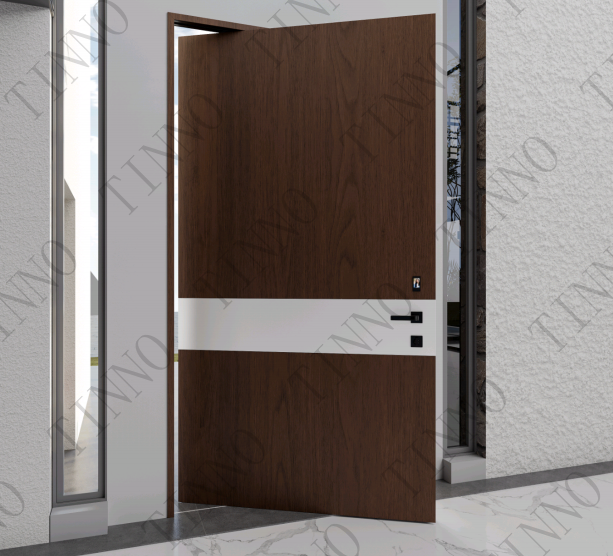
Impact of the Sealing Structure on Home Comfort
Soundproofing Effect: A good sealing structure can effectively block external noise from entering the room. In urban environments, traffic noise and noisy human voices can seriously disrupt the tranquility of living. Through the sealing structure, noise is isolated outside the door, keeping the indoor environment quiet and comfortable. For example, entrance doors with multi - layer sealing structures can significantly reduce external noise interference, keeping the indoor noise decibel level low and creating a quiet living and resting space for family members.
Thermal Insulation Performance: The sealing structure can reduce the convection of indoor and outdoor air, playing a role in thermal insulation. In winter, it prevents indoor heat from escaping, keeping the room warm; in summer, it blocks outdoor heat from entering, reducing air - conditioning energy consumption. This not only improves living comfort but also saves energy and reduces living costs. For example, some entrance doors equipped with broken - bridge aluminum materials and efficient sealing structures can effectively reduce heat transfer and enhance the stability of indoor temperature.
Dust and Water Resistance: The sealing structure can block dust and rain from entering the room, maintaining indoor cleanliness. Especially in areas with high wind and sand or during the rainy season, good sealing performance can prevent dust accumulation and rain leakage, protecting indoor decoration and furniture from damage. For example, entrance doors with good sealing performance can effectively prevent dust from entering through the door gap, reducing the burden of daily cleaning work and avoiding problems such as door frame deformation and mildew caused by rain leakage.
When choosing an entrance door, pay attention to the design and quality of its sealing structure, as this will bring a real and comfortable living experience to your home.