


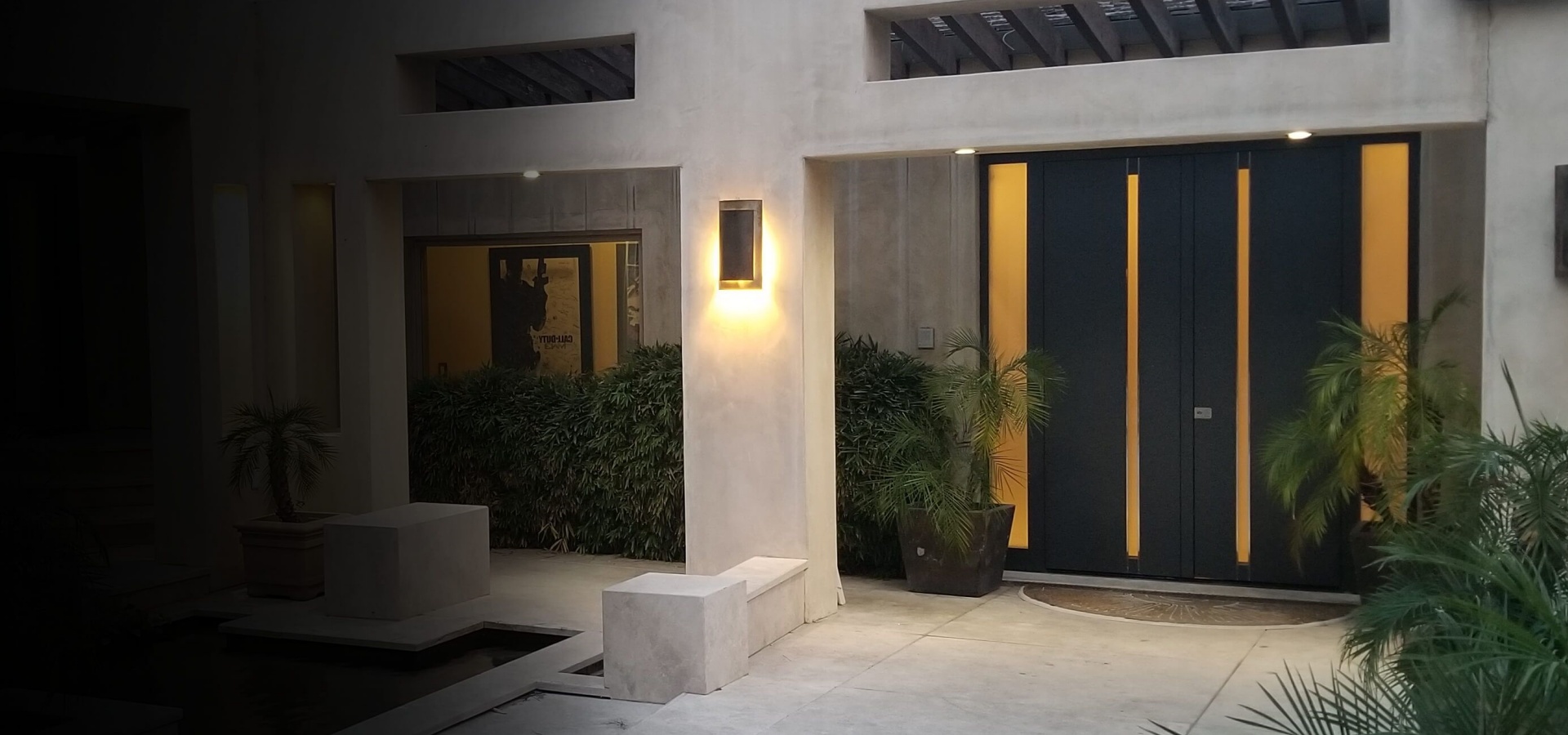
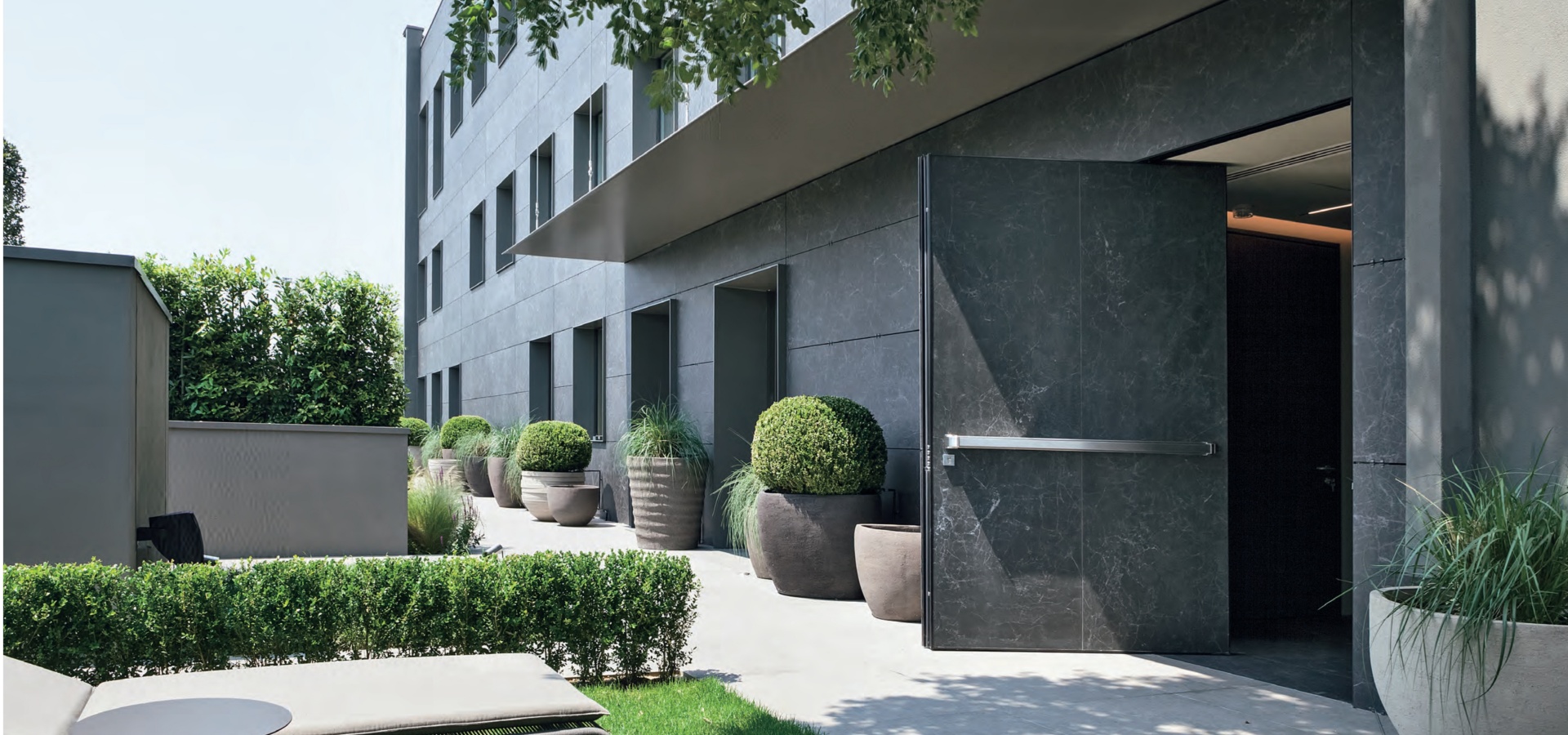
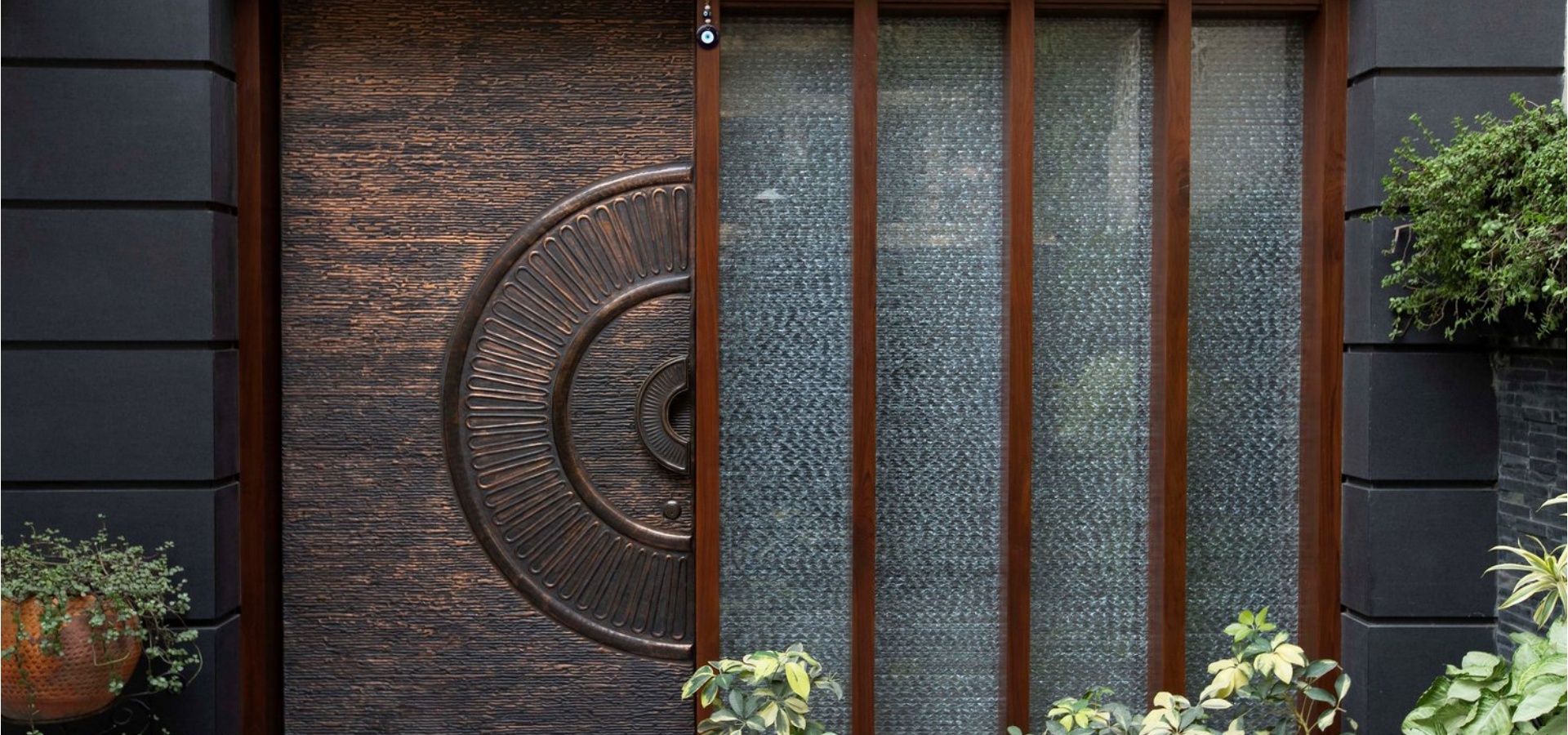











In terms of heat insulation and preservation, system doors also show strong strength. They use broken bridge aluminum profiles with extremely low thermal conductivity as the frame, combined with multi-layer hollow tempered glass, and the space between the glasses is filled with inert gas to form an efficient heat insulation barrier. This design can significantly reduce the heat exchange between indoor and outdoor areas. In summer, it prevents outdoor heat from invading, making the air conditioning cooling effect more lasting; in winter, it retains indoor heating, reducing the energy consumption of heating equipment. Tests show that the temperature difference between rooms installed with system doors and ordinary doors can reach 3-5℃, which can save a lot of energy expenses for families throughout the year.