


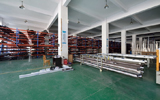
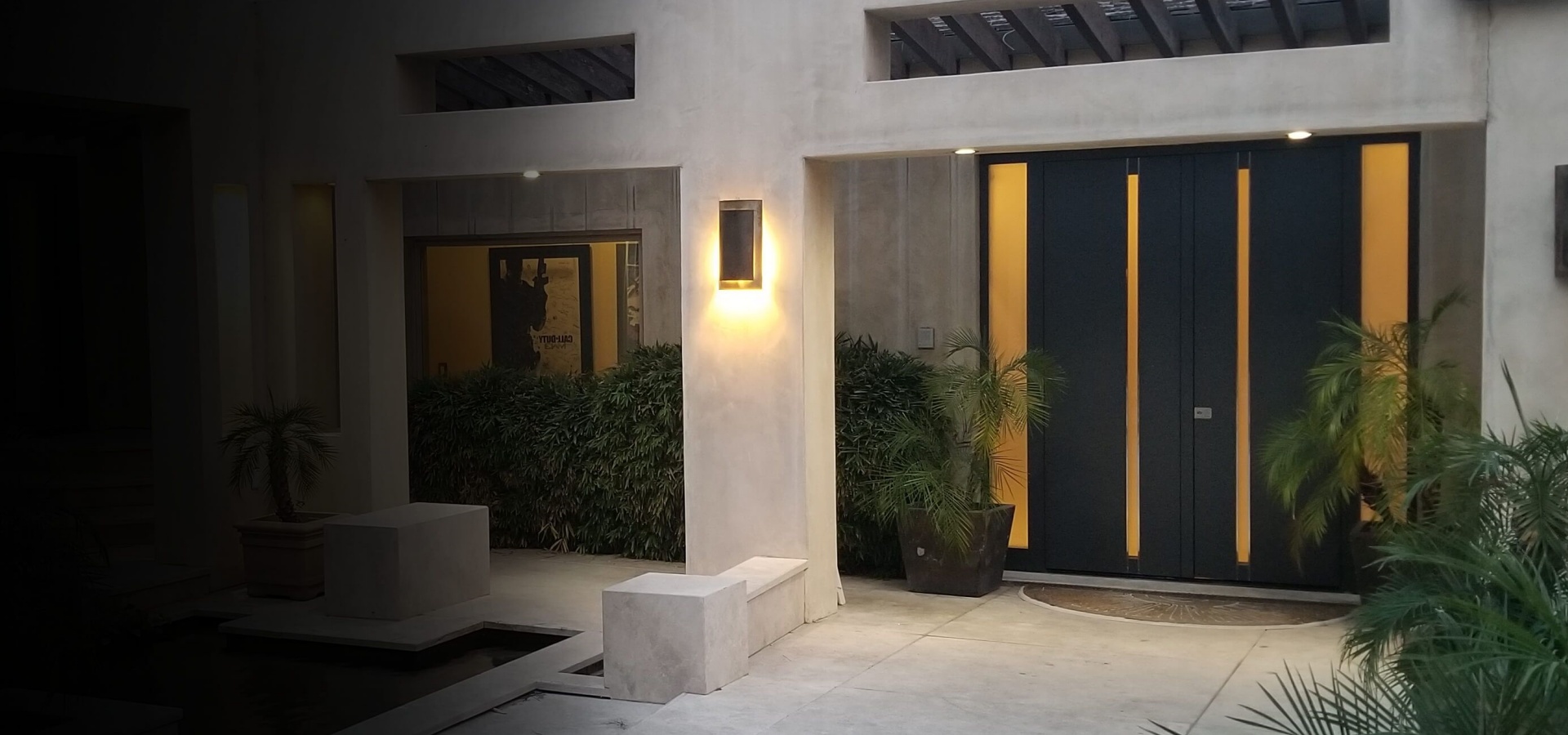
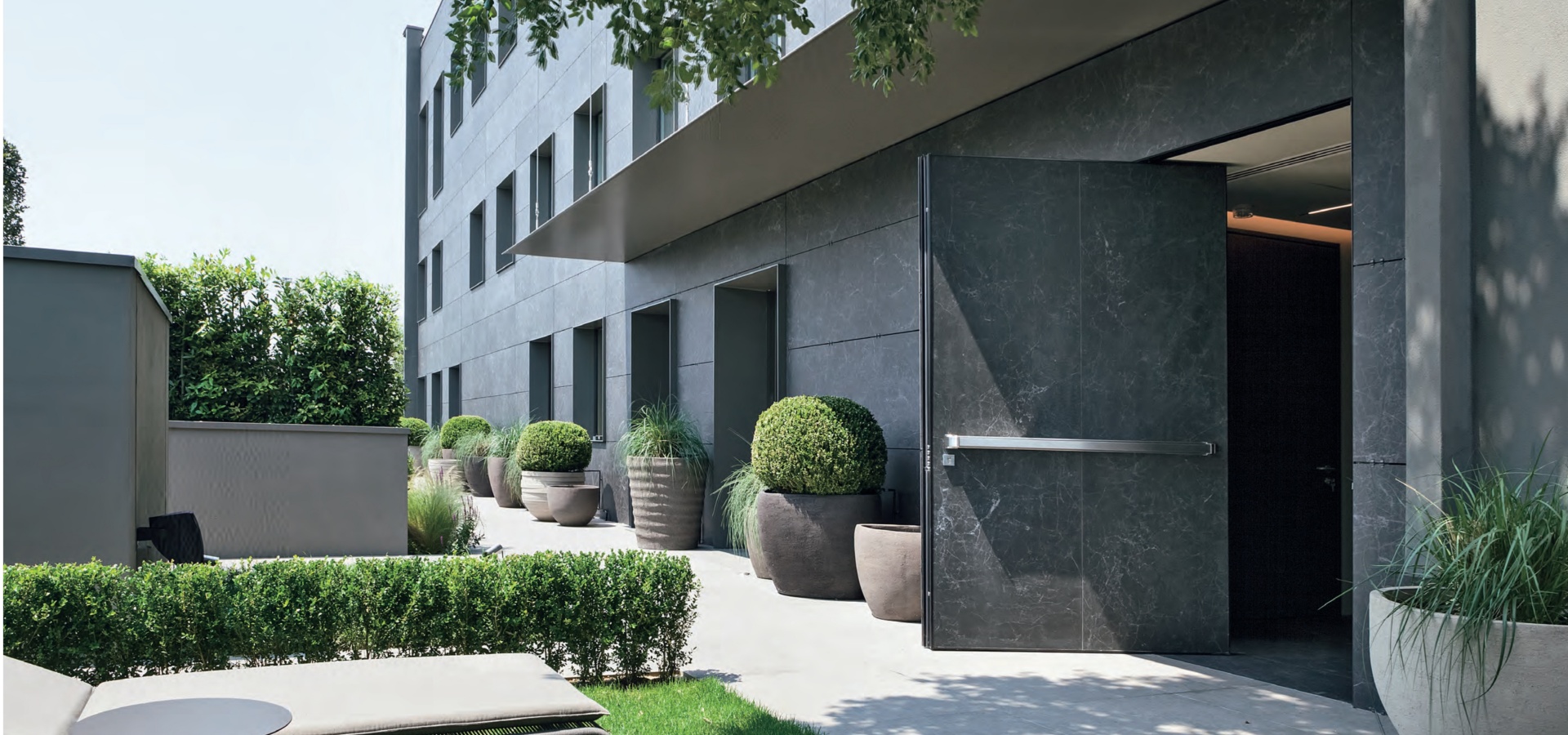
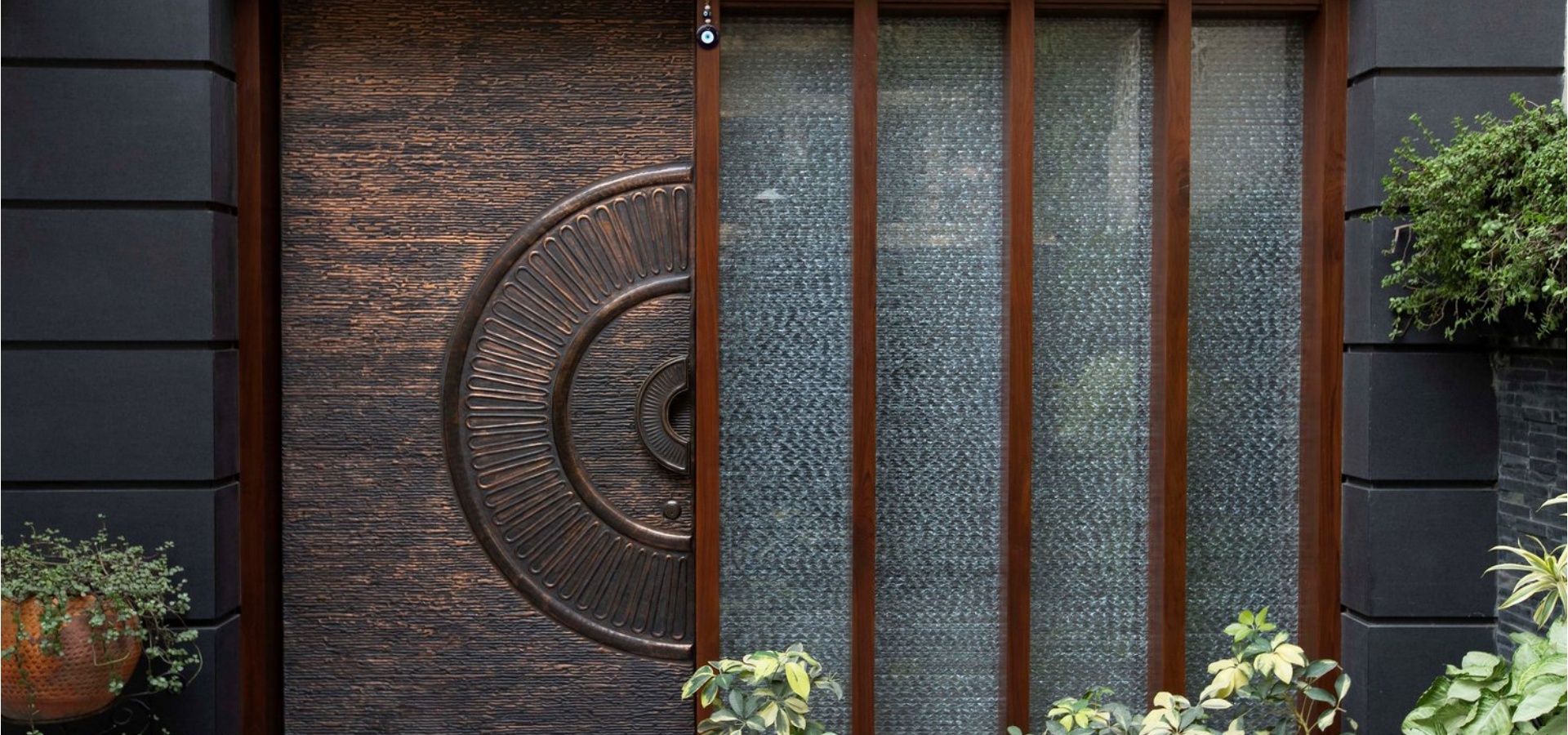












Aluminum alloy system door skeletons are equally impressive. For example, Shibao Windows and Doors use high-quality virgin aluminum ingots that meet international standards as raw materials. Virgin aluminum ingots feature high purity, strong toughness, and good ductility, endowing the profiles with excellent physical properties. In key load-bearing parts, high-strength galvanized steel linings that comply with national standards are scientifically embedded to form a "steel-aluminum composite" structure, which significantly improves the overall bending resistance, torsional strength, and wind pressure resistance of the doors and windows. Whether facing harsh weather or frequent daily use, such a material combination ensures that the system door skeleton remains stable at all times.
The structural design of the system door skeleton is carefully considered to achieve optimal stability and safety. The common skeleton structure consists of side frames, top frames, and bottom frames, with each part closely coordinated to form a stable framework. For example, in some new door leaf skeleton structures, the side frame presents a hollow concave shape. This design not only reduces the skeleton's own weight but also enhances its compressive capacity. The inner side of the concave structure directly opposite the groove is not sealed, allowing the outer side of the side frame and the other two sides connected to the outer side to be in close contact with the door skin, effectively improving the overall firmness of the door.