



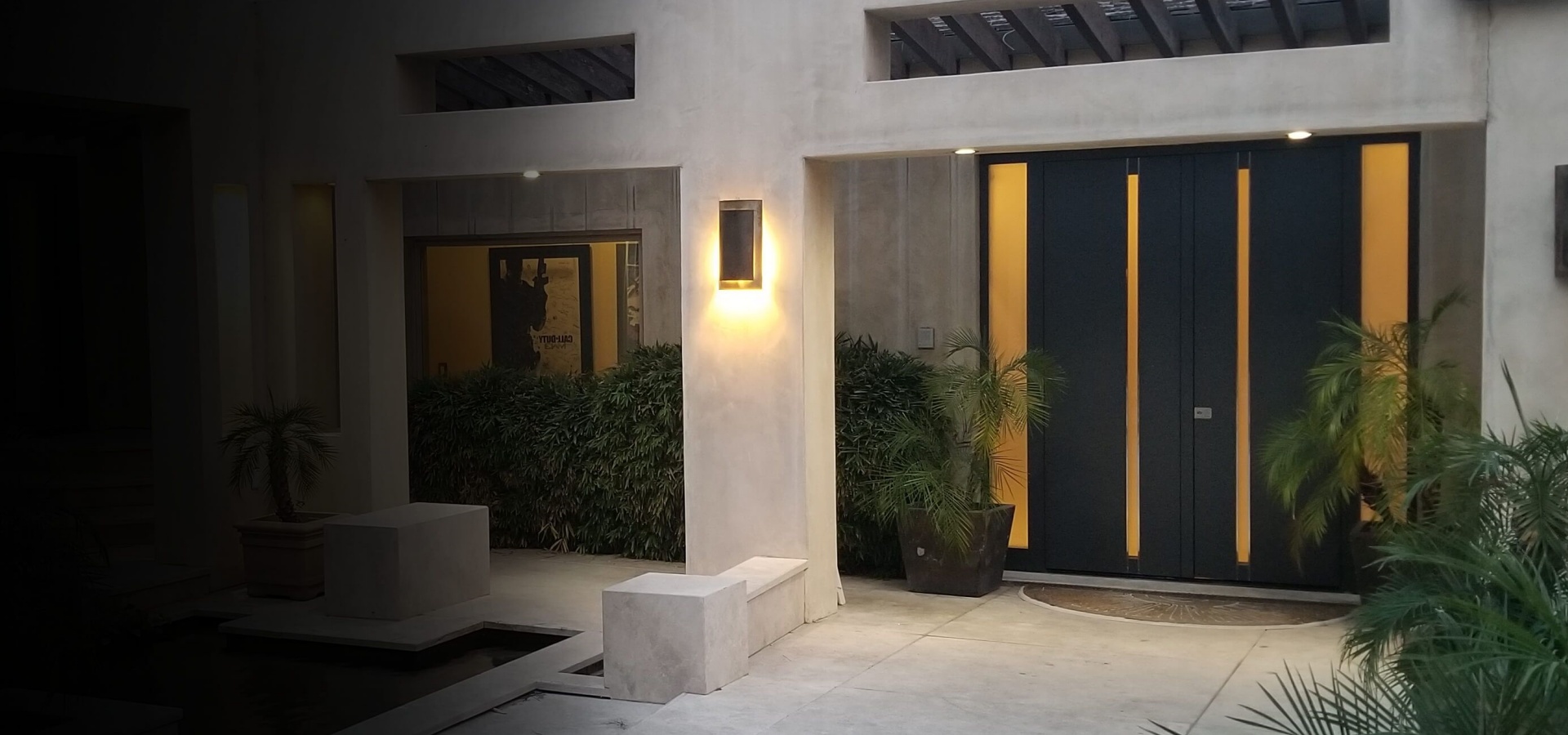
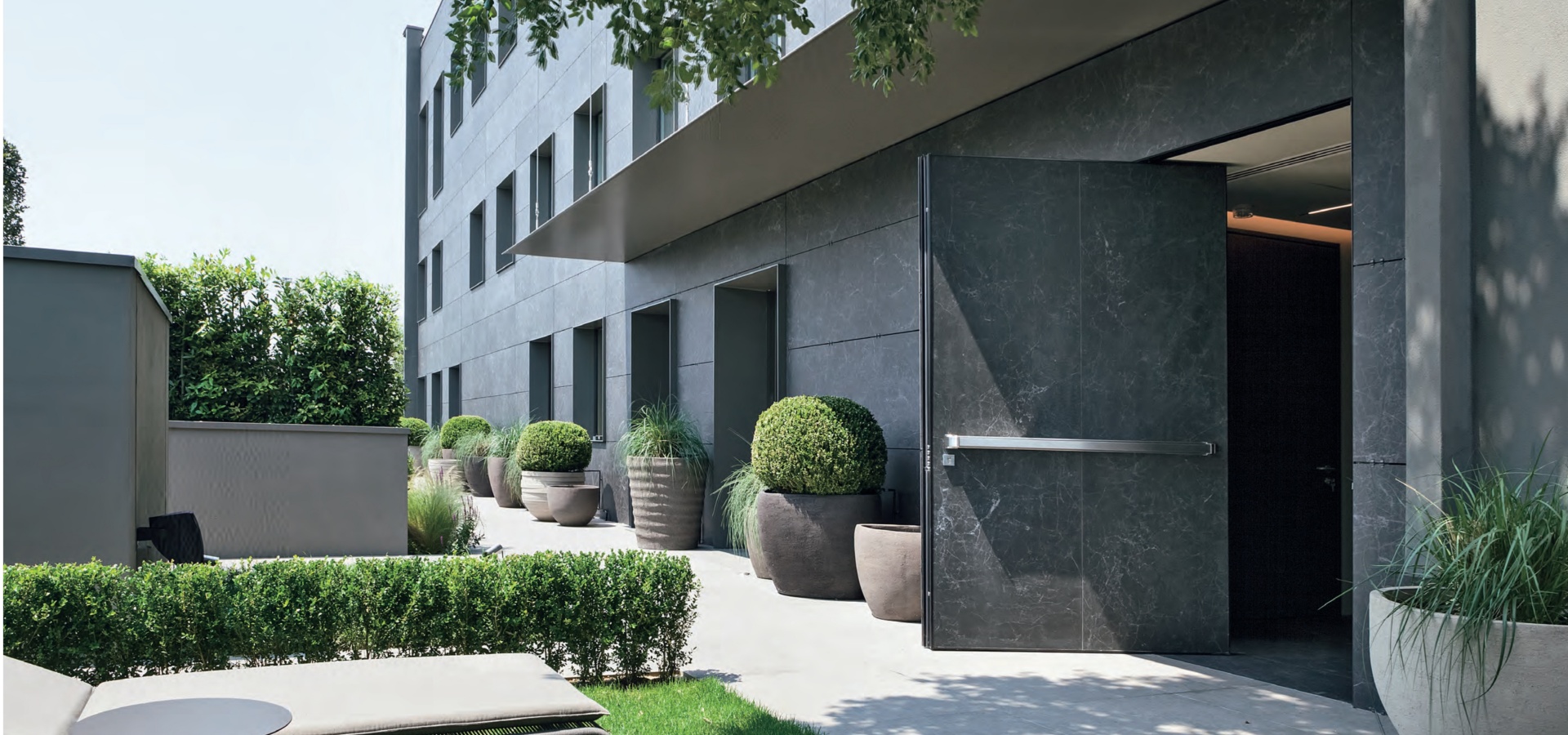
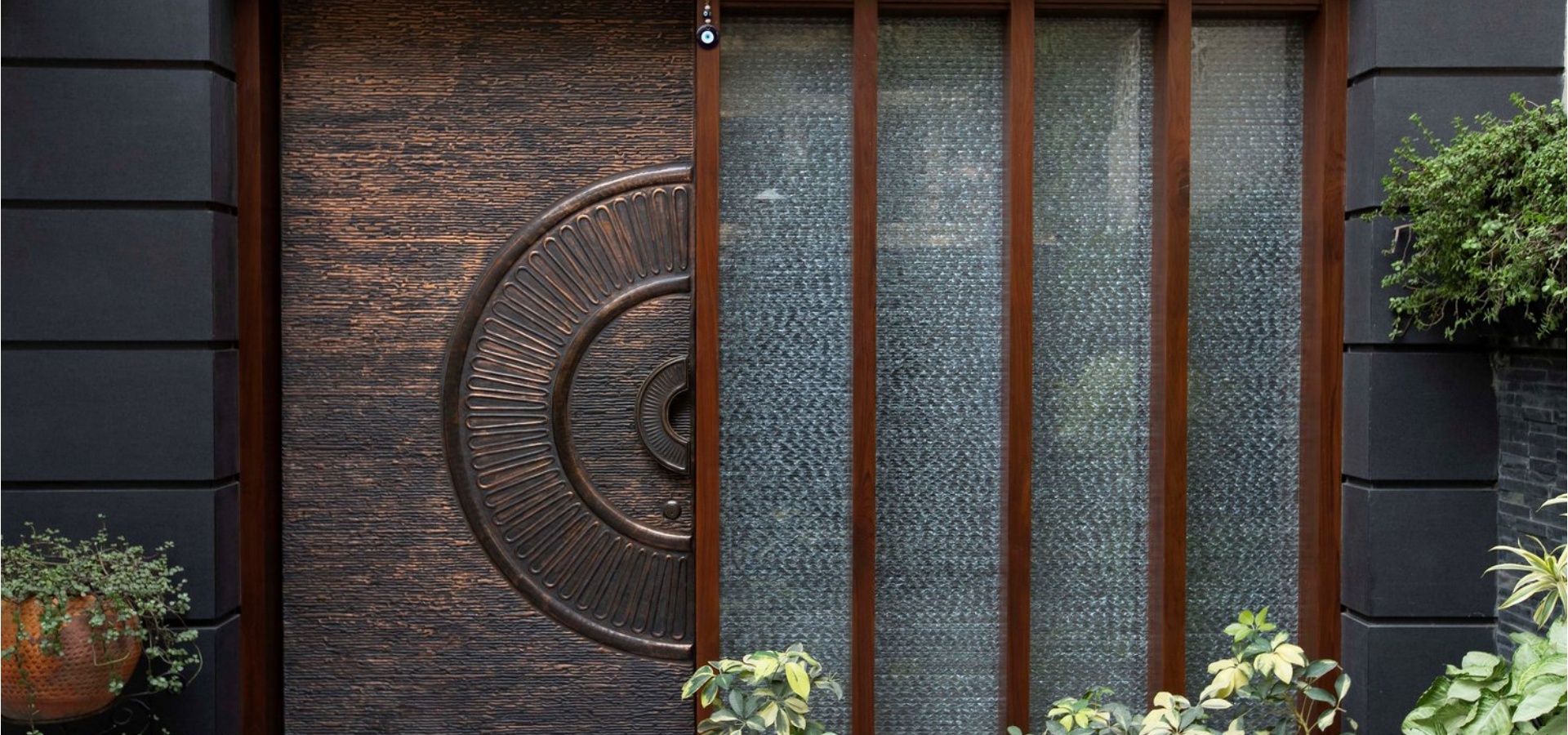
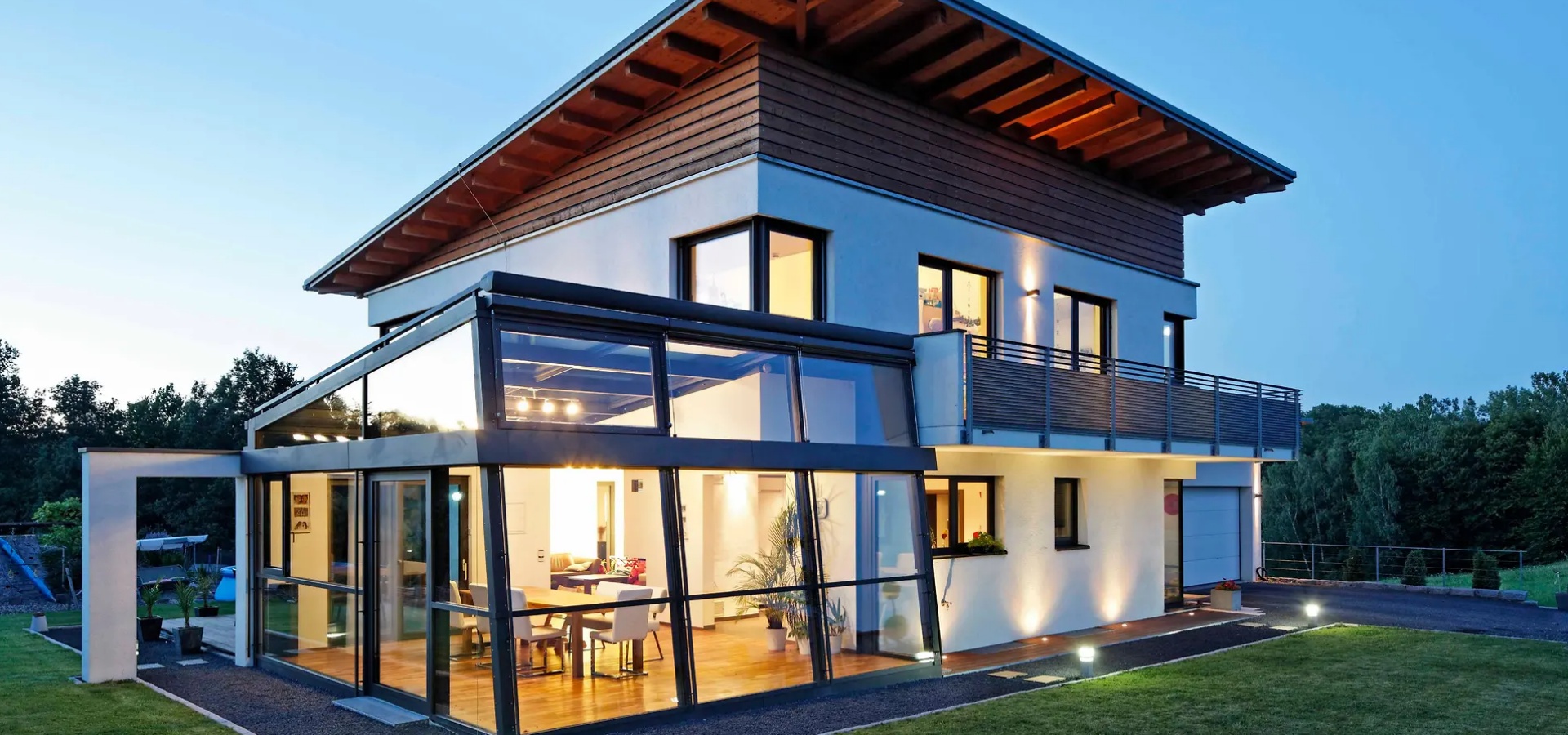











Traditional doors often occupy indoor space with wide frames, while system doors use ultra-narrow frame profiles to minimize frame width. These slim lines reduce the door's visual presence, maximizing light penetration:
Visual Expansion: The combination of large glass panels and slender frames acts like a "transparent window" on the wall, making the space appear more open and connected to the outdoors;
Light Optimization: With less frame obstruction, natural light floods the interior, brightening even north-facing small apartments and dispelling dimness;
Style Adaptability: The minimalist narrow-frame design complements modern, Nordic, Japanese, and other decor styles, enhancing the refined aesthetic of small spaces.
The hidden designs of system doors are equally ingenious. Through clever structural treatments, functional components are "concealed":
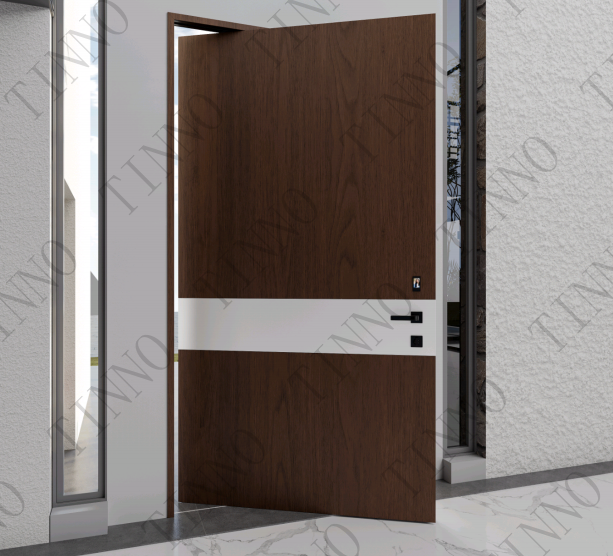
Invisible Hardware: Hinges, locks, and other hardware on traditional doors are often exposed, cluttering the space. System doors use recessed hinges and embedded locks, keeping the facade clean and seamless during operation;
Hidden Sealing Strips: Soundproof and waterproof sealing strips in system doors are embedded within the profiles, aligning with the door frame when closed. This preserves the overall sleek lines while ensuring performance.
Take a 25㎡ studio apartment as an example: A traditional entry door with thick frames and outward opening requires 1㎡ of clearance when opened. In contrast, a system door with narrow frames and inward/push-pull design saves space, which can be repurposed for a shoe cabinet or green corner. Additionally, the high-transparency glass partitions of system doors divide functional areas (e.g., living room and bedroom) without the enclosed feel of solid walls, making the small space appear 20% larger.
Conclusion: System doors are far from being a "burden" for small apartments—they are "space magicians" combining aesthetics and practicality. Whether seeking visual transparency or optimizing light and functional zoning, narrow frames and hidden designs enable small spaces to achieve the stunning transformation of "making the small feel large."