













Performance Comparison
Sound Insulation: System doors typically feature multi-layer sealing strips and thermal break aluminum materials, combined with insulated glass, effectively blocking external noise with a noise reduction capability of over 35 decibels. Traditional doors, often made of solid wood or composite materials, have limited sealing performance, with sound insulation generally ranging between 20-25 decibels.
Thermal Insulation: The thermal break aluminum structure and high-efficiency insulation materials of system doors significantly reduce heat transfer between indoors and outdoors, effectively lowering energy consumption for air conditioning and heating. Traditional doors have weaker thermal insulation, often allowing indoor heat to escape in winter and failing to block external heat in summer.
Waterproofing and Moisture Resistance: System doors are designed with advanced waterproofing, with specially treated gaps between the door frame and panel to effectively resist rainwater penetration. Traditional doors, if made of inferior materials or improperly installed, are prone to moisture damage and deformation, affecting their lifespan.
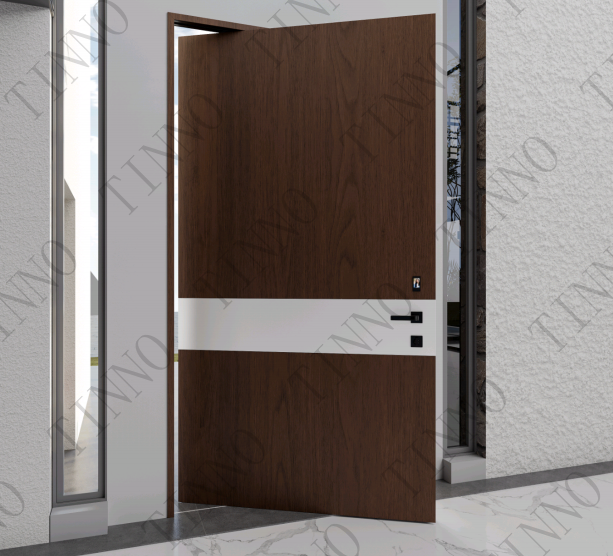
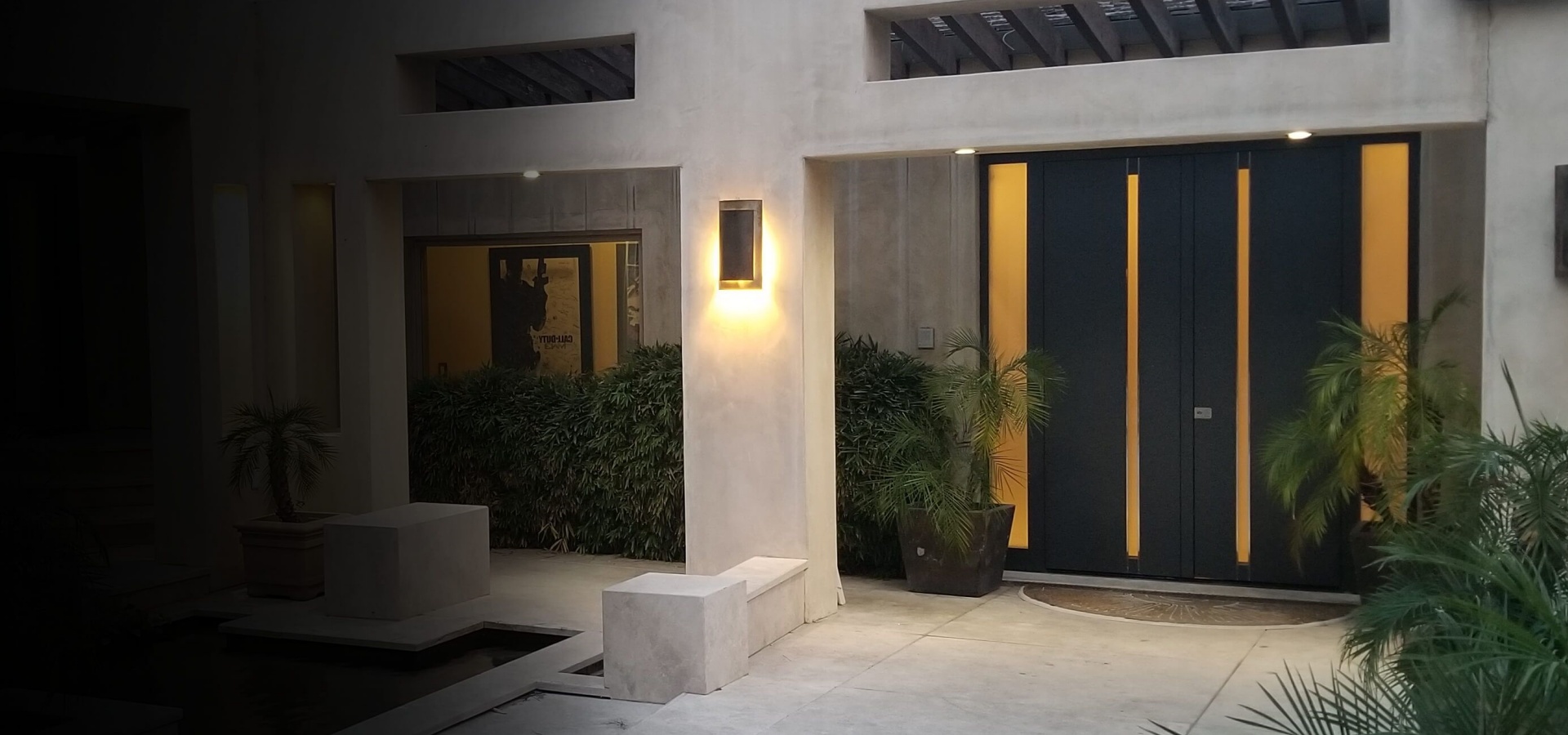
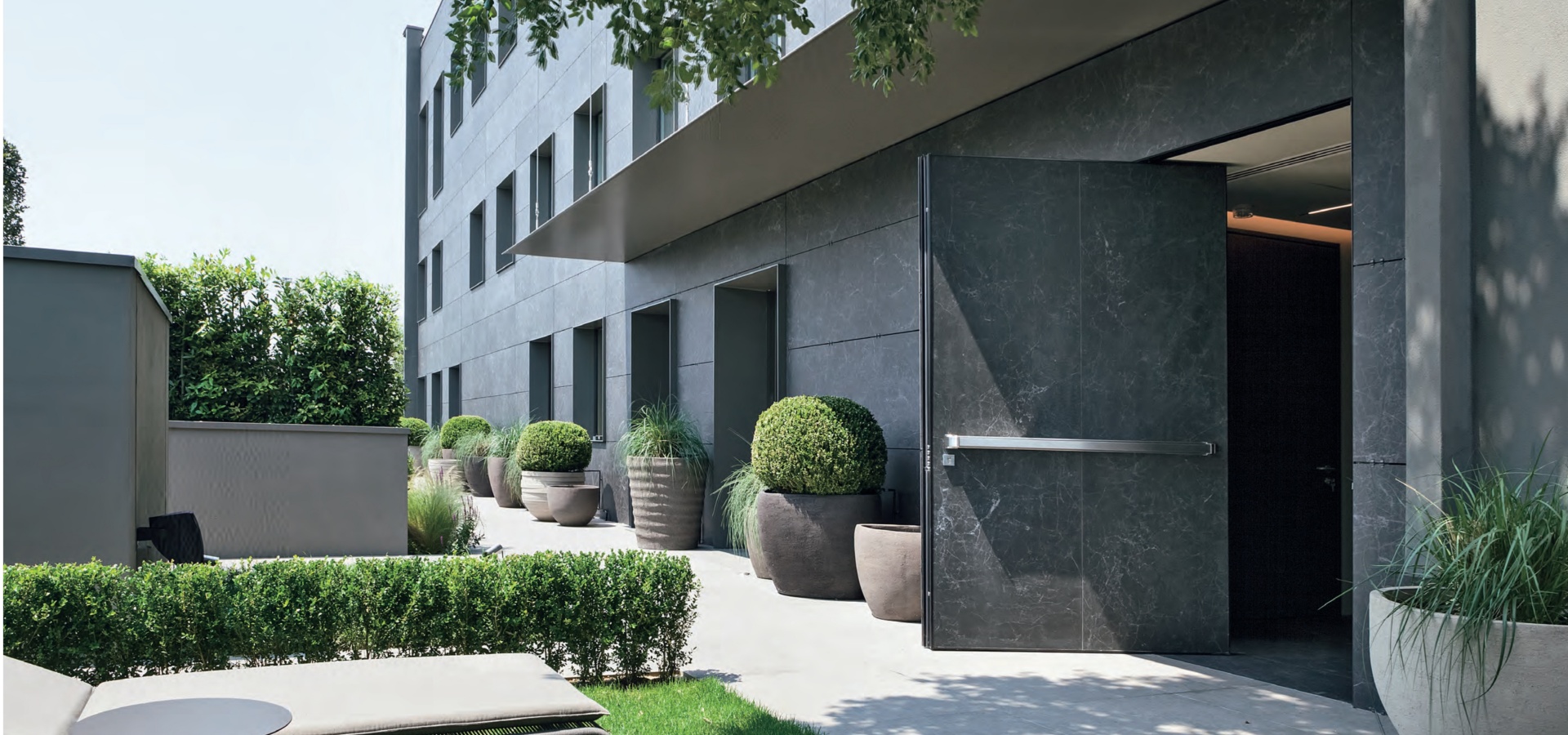
Variety of Styles: System doors focus on sleek, modern designs with clean lines, seamlessly integrating with various interior styles such as modern minimalism, Scandinavian, and industrial. They also offer personalized customization to meet diverse aesthetic needs. Traditional doors, on the other hand, tend to feature more conventional styles, often leaning towards classical Chinese or European designs, with a relatively narrower range of options.
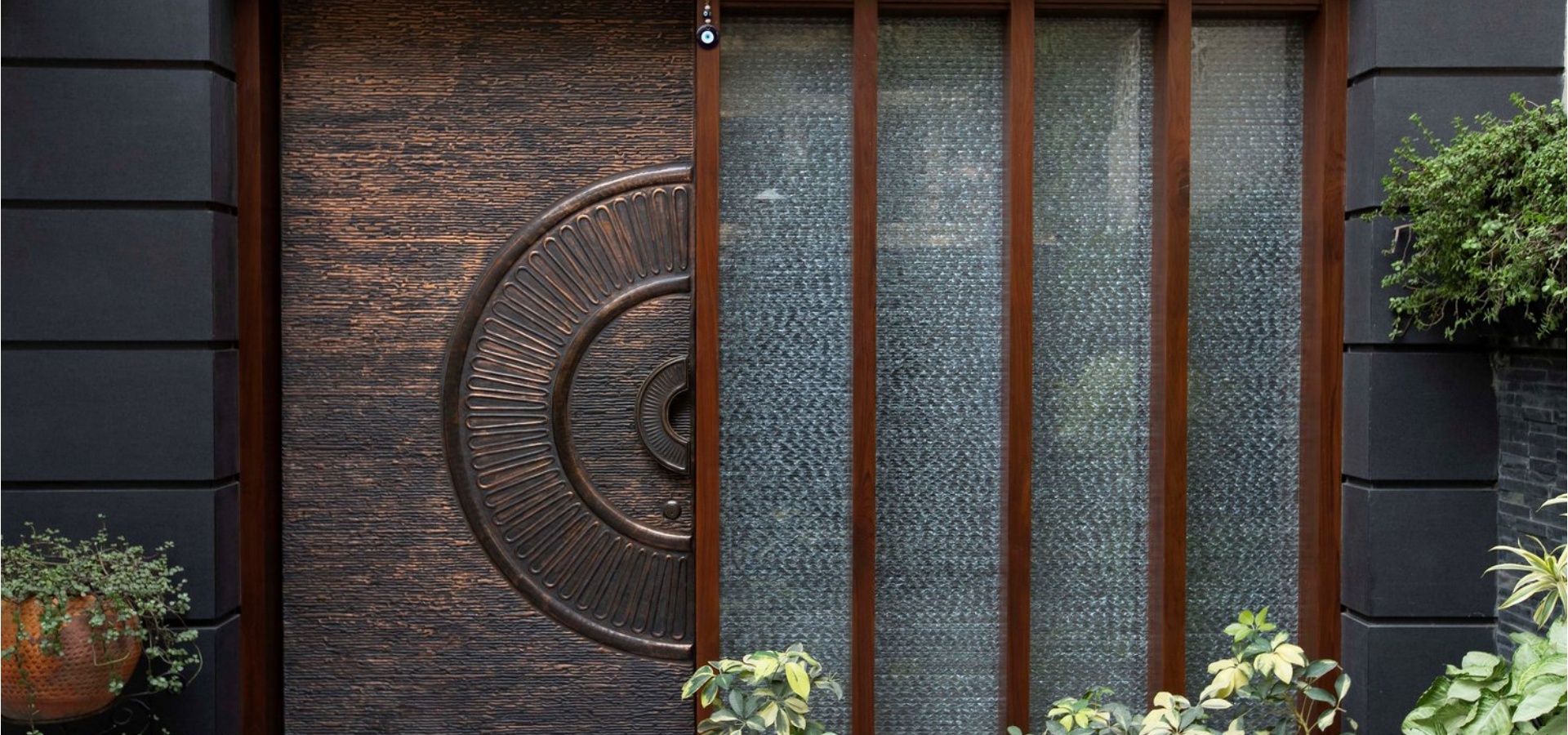
Glass Options: System doors can be paired with various types of glass, such as transparent, frosted, colored, or artistic glass, enhancing both natural lighting and the artistic appeal of the space. Traditional doors offer fewer glass options, primarily limited to standard transparent glass.
Conclusion
In summary, system doors have clear advantages in terms of performance and design, while traditional doors focus more on cost-effectiveness and the expression of traditional styles. When making a choice, consumers should consider their renovation budget, style preferences, and practical usage scenarios.