



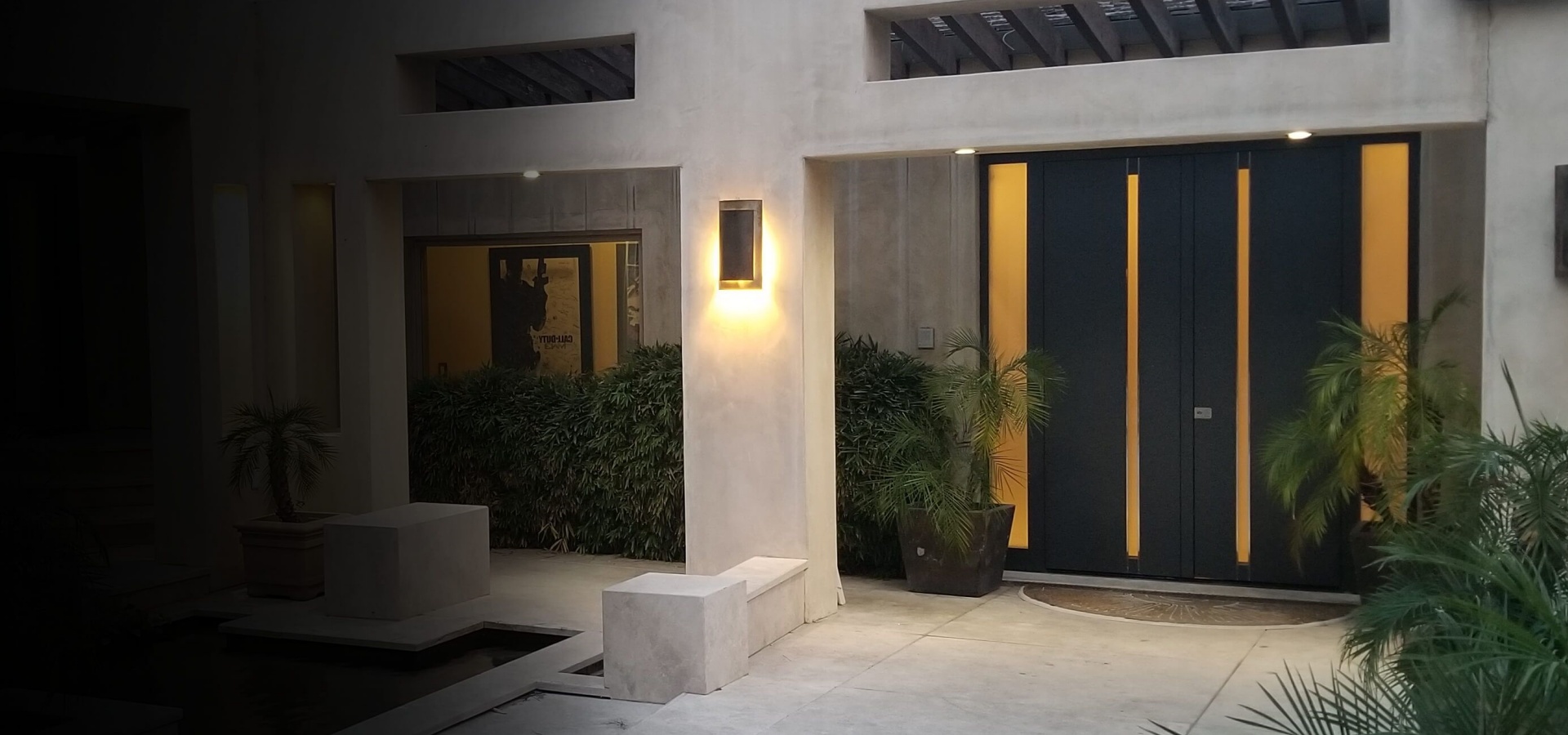
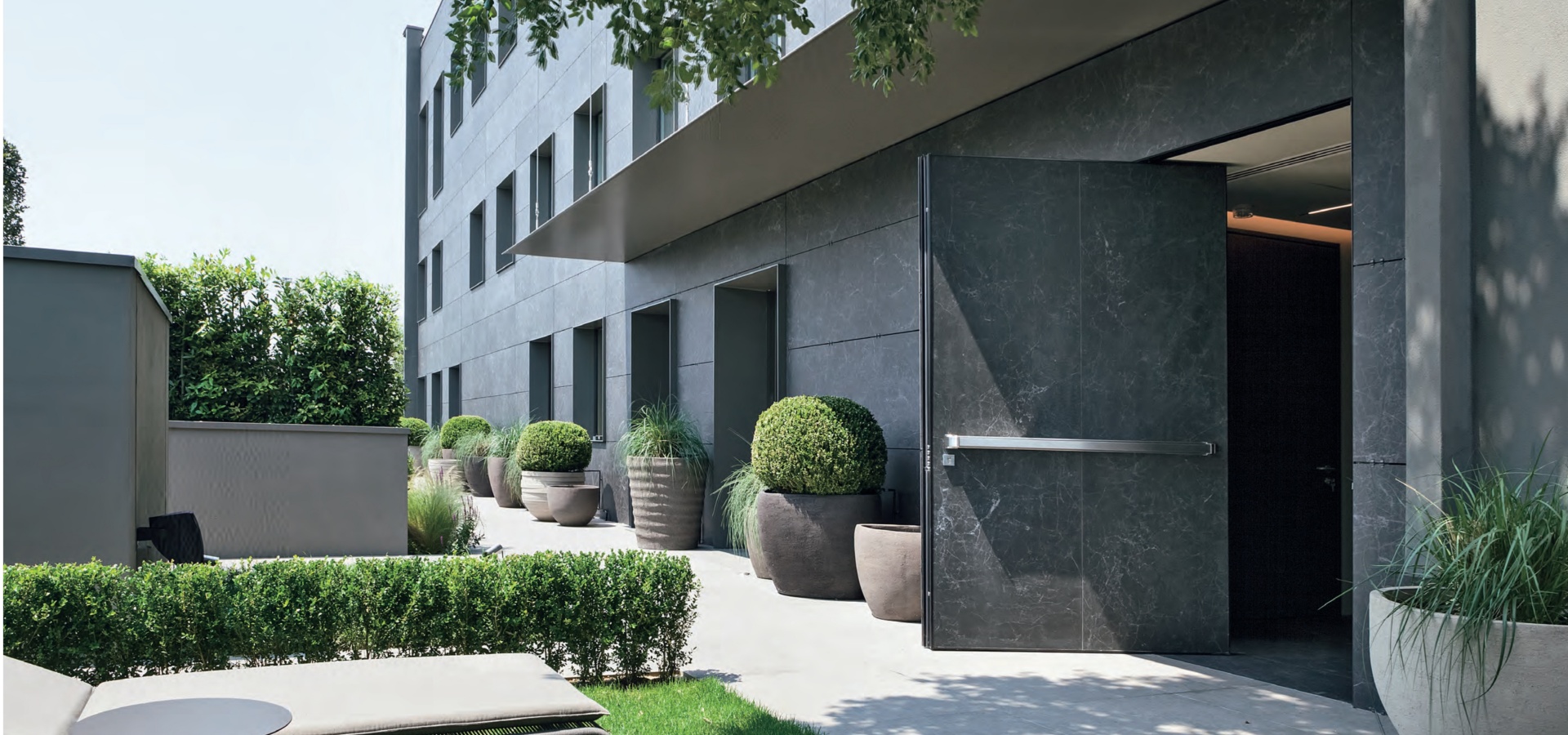
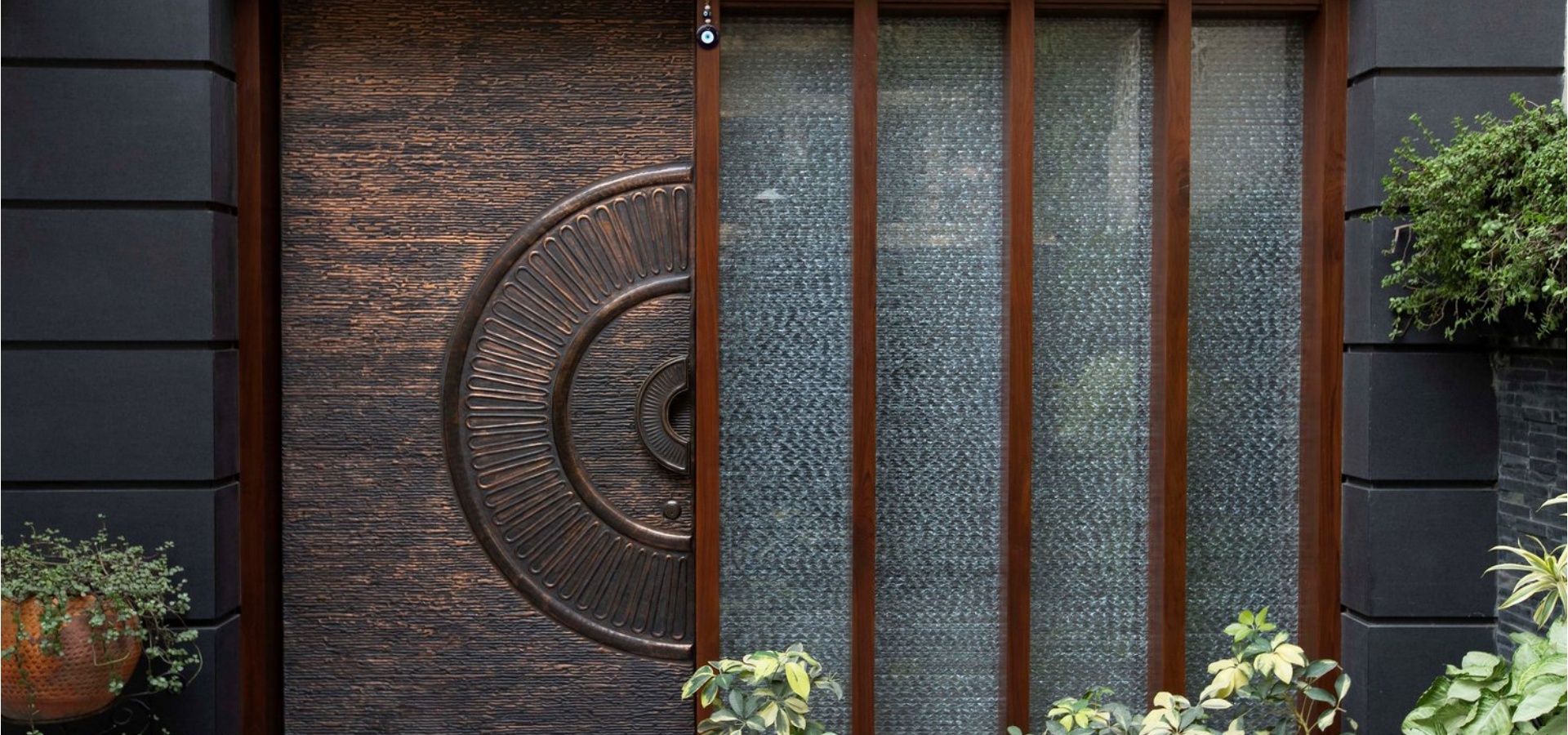
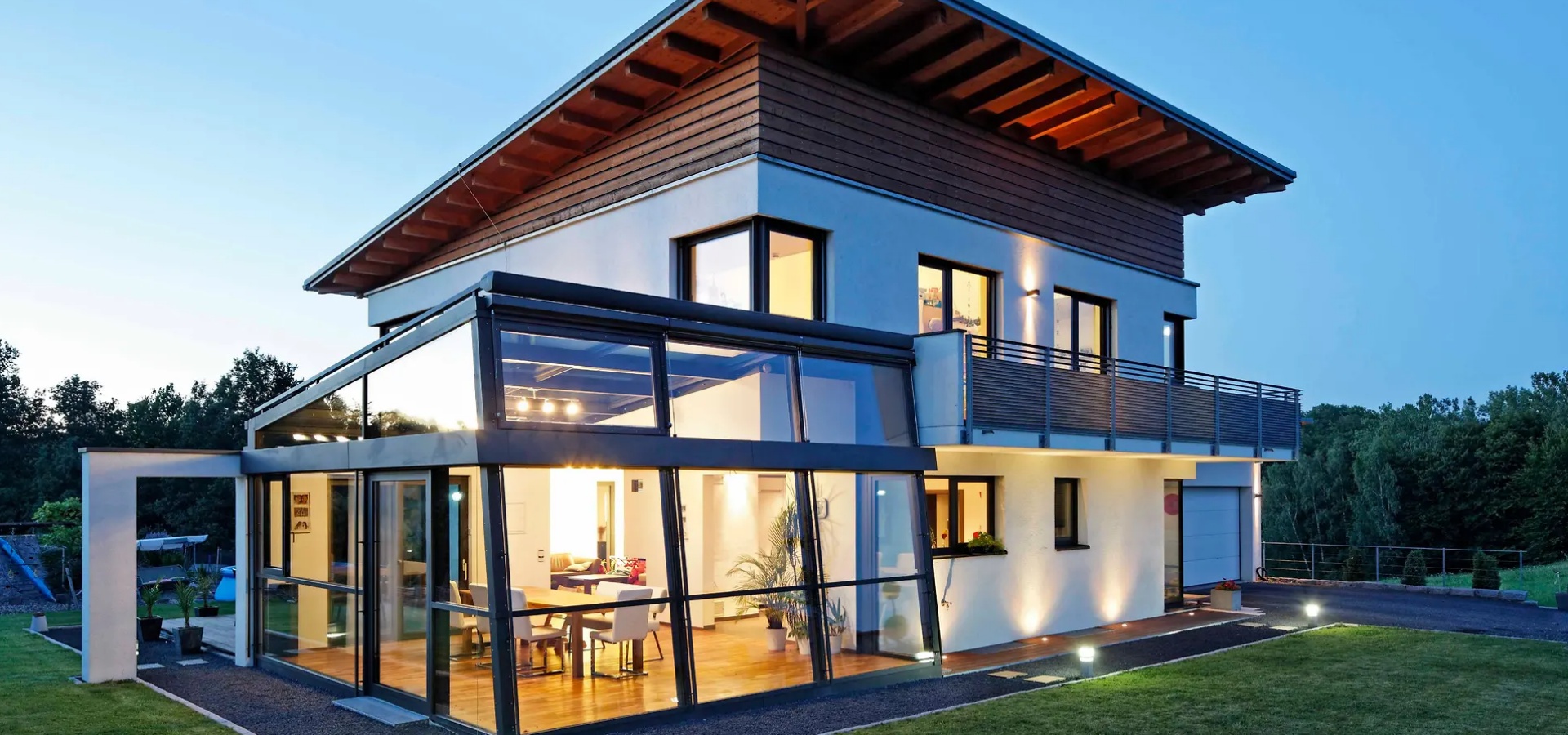











System doors feature advanced multi-sealing designs, such as a four-way continuous sealing structure, which effectively blocks airflow, moisture intrusion, and noise. This results in exceptional air and water tightness.
In contrast, standard entrance doors typically use basic or single-layer sealing, making them less effective in protecting against wind and rain, especially during harsh weather conditions.
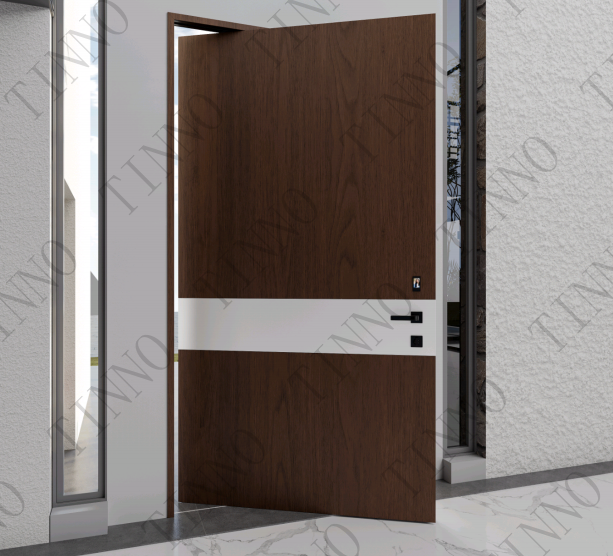
2. Sound Insulation: Quiet vs. Noisy
High-end system doors utilize automotive-grade EPDM sealing strips combined with high-performance core materials (such as fireproof rock wool), significantly reducing external noise and creating a peaceful living environment.
Standard entrance doors, with their basic core materials, offer limited soundproofing, often failing to meet the needs of high-end residential areas, particularly in noisy urban settings or busy neighborhoods.
3. Materials and Craftsmanship: High-Performance Aluminum vs. Regular Steel
System doors are built with high-performance thermal break aluminum frames, which are lightweight, highly durable, and resistant to corrosion.
In contrast, standard entrance doors typically use regular steel, which is prone to rust, deformation, and reduced lifespan when exposed to humid environments.
4. Design Details: Smart and Convenient Features
System doors often come with advanced features such as hidden 3D hinges and smart locks, enhancing durability, ease of use, and aesthetic appeal.
Standard entrance doors usually offer more basic hardware, with less attention paid to functionality and overall design elegance.